
Having heard tales of bureaucratic nightmares, corruption, theft, piracy and other difficulties while cruising in Indonesia, we saw the Aussie-based Sail Indonesia Rally as a solution to those problems. Although vets of the ‘07 Baja Ha-Ha and the ‘08 Pacific Puddle Jump, we found Sail Indonesia, which cost about $500 U.S., to be a mixed blessing.
Ultimately, the ‘09 Sail Indonesia Rally included 135 boats, and was combined with the Indonesian Sail Bunaken group, which was headed north to make a ‘sail pass’ in front of the newly-elected President of Indonesia — along with various tall ships, Indonesian naval vessels and the USS George Washington.
There was some obvious tension between the Australian and Indonesian organizers before the start, apparently having to do with the change to the usual Sail Indonesia route — one that would add 1,500 miles the course. As a result, 100 boats elected not to go north for the Bitung-Manado ‘sail pass’ but instead peeled off from the Sail Indonesia-Sail Bunaken fleet and headed west on the traditional rally route via Alor, Flores, Komodo, Lombok, Bali, Kumai and Batan.
There were many advantages to joining the Sail Indonesia Rally, the most important being that rally officials either arranged for or facilitated all the official paperwork. This included the Import Exemption Certificate and the Clearance Approval for Indonesian Territory (CAIT), aka the cruising permit.
The need for the former certificate was made clear in ‘07, when some port authorities began to enforce a Ministry of Finance regulation that stated luxury items — including foreign-flagged yachts — had to put up a refundable import duty bond equivalent to 50% of the value of the boat when she arrived in Indonesia. The alternative to posting this bond is to use an approved Indonesian body, such as Sail Indonesia, to provide a Letter of Guarantee to the government saying they will take responsibility for the yacht while she’s in Indonesia. So when you enter Indonesia, you are issued an Import Exemption Certificate, which you surrender at your exit port, where you are given a Certificate of Export document.
Upon arrival in Indonesia, there was other paperwork to be taken care of: Certificate of Pratique for the Vessel (inspection showed vessel is free from disease); Health Alert Card in duplicate; Port Health Quarantine Clearance (our body temperatures were taken onboard by masked officials alert for signs and symptoms of H1N1 virus; Declaration of Cargo; Customs Clearance Form; Master Declaration of Inspection Form; Port Clearance by Harbor Master (save yourself a huge future headache by clearing out to your departure port); Port Clearance for Vessel; and Crew List (provide your own official stamp with vessel name). Since our Indonesian social visas were only good for two months, the rally would later assist us with a less expensive renewal process, supplying us with the necessary sponsor letter.
Sail Indonesia suggested we arrive in Darwin about two weeks before the July 18 departure date. Most of us dropped the hook in Fannie Bay just in front of the Darwin Sailing Club, at which point a long, wet dinghy ride in was followed by a back-breaking haul of the dinghy up the beach. Good dinghy wheels advised!
We felt Sail Indonesia’s greatest weakness was the lack of information they gave the participants. For example, the briefing meeting in Darwin lacked basic data about conditions, routes, anchorages and ports — although the rally folks did provide written material and a CD of other participants’ experiences that was helpful. The rally organizers left out a lot of valuable practical information. For instance, we would not be able to change money at Saumlaki, our first port of call. Nor were we provided with accurate information about which Indonesian immigration offices could provide us with visa extensions. There were many examples of basic information not offered that would have saved us all a lot of bother, time, and money. As a result, the participants set up an informal VHF net to try to help each other out.
The arrival of our 135-boat fleet at Saumlaki overwhelmed the local administrative system, so it took days for all the boats to be cleared. The frustration of the participants was palpable in the sweltering heat, as once again, there was little or no information forthcoming from the organizers. It was the Theatre of the Absurd, with no director, yet the actors tried to anticipate where the play was going and what their roles were.
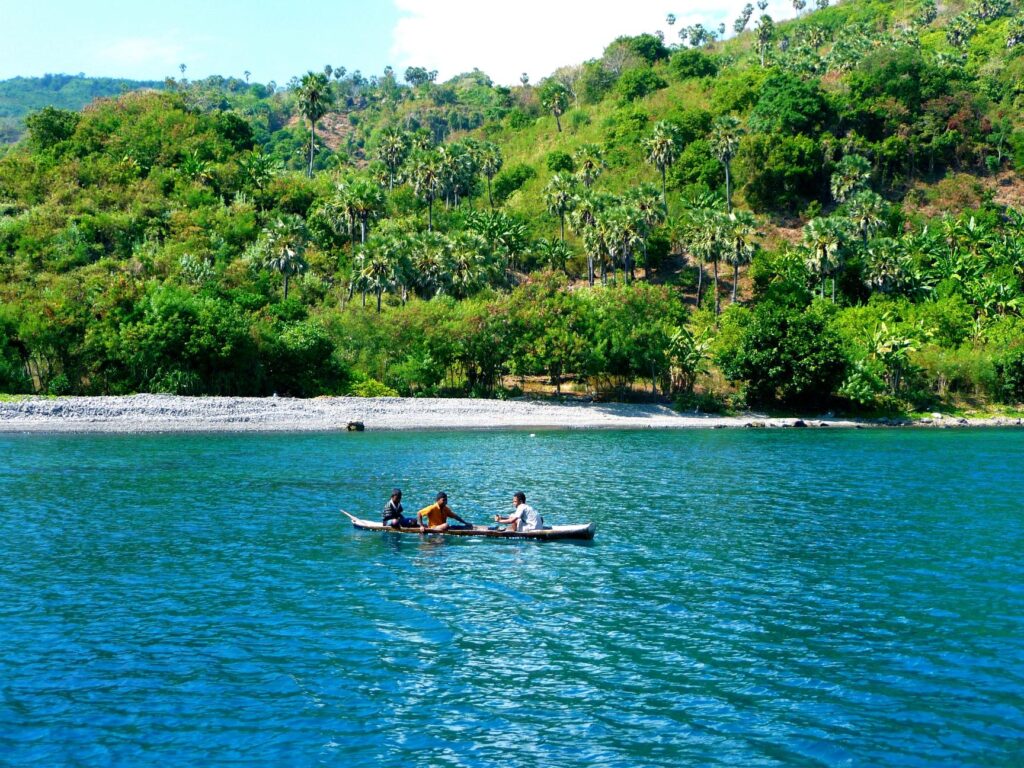
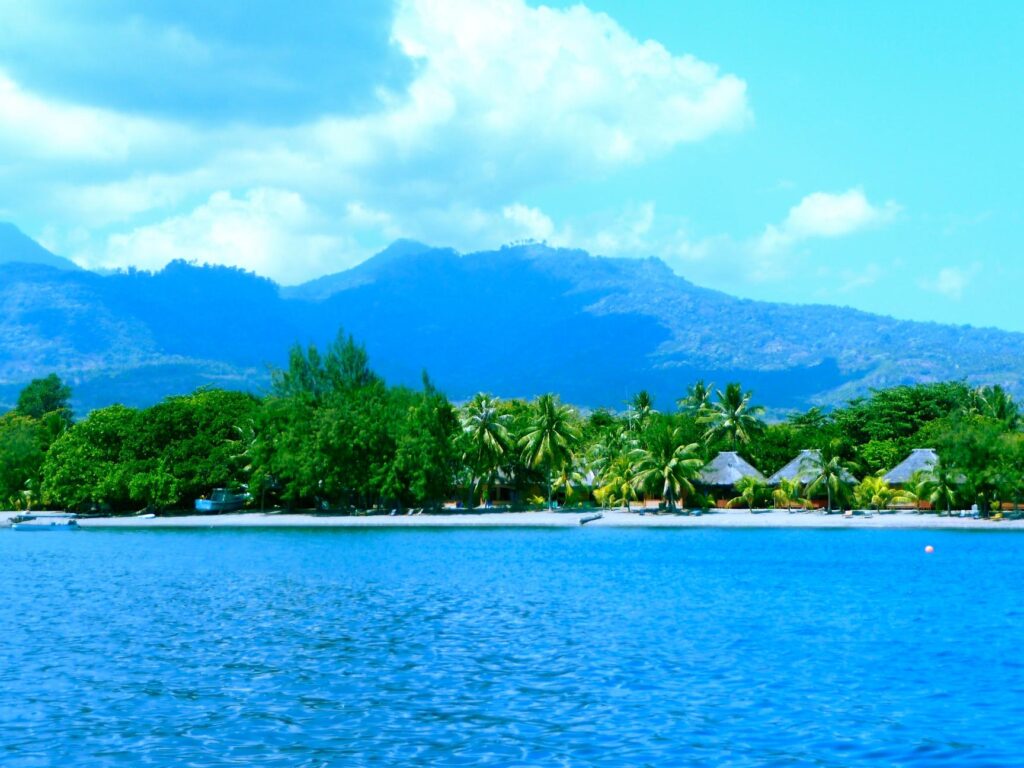
It was hard not to smile when a new vessel arrived, and announced their finish time to the minute, thinking this put them in some kind of line-up for the clearance process — especially after you, along with everyone else, had been patiently waiting for two days already. Thank god for watermakers and cool down showers!
The upside in Saumlaki was that there was a roomy anchorage for all the boats, and the locals gave us a wonderful welcome when we finally got to go ashore. The rally provided shuttle buses, the local police provided an escort, and the local organizers welcomed us with a wonderful night of food, dances, stories, awards, and official speeches in a beautiful hotel ballroom. Everyone bonded, had a good time — and commiserated about the disastrous aspects of the rally.
We would later meet some cruisers who entered Indonesia independently through Kupang, and who had simply hired an agent to facilitate their entry paperwork. Although they ended up paying about $250 U.S. more than we did, they reported they had no problems entering or sailing through Indonesia on their own.
Cruising guides offer advice for those wishing to enter on their own — and even do their own paperwork — as well as giving a wide variety of cruising information. We found the Southeast Asia Sailing Guide helpful, and supplemented it with the very practical and helpful 101 Anchorages within the Indonesian Archipelago. A land travel guide is a must. Lonely Planet has several titles that include Indonesia. Websites by sailors who have recently completed the journey — such as www.scorpiosail.com — were also an accurate and detailed source of information about everything. But keep in mind that it’s not easy to find internet access in Indonesia.
The people of Indonesia were warm and hospitable to everyone, but what a change for us Americans to receive an exceptionally warm welcome! On our first encounter with Indonesians, when the three masked quarantine health officers — in pressed, clean uniforms with shiny gold buttons and polished shoes — boarded our boat, they asked if ours was an American vessel. When we nodded, we got smiles and enthusiastic thumbs up from all three, as they called out “Barack Obama!” Everyone seems well aware that our President spent time growing up in Indonesia, and that his stepfather was Indonesian. We could not even enter a bank carrying an American passport without excited discussions — from everyone from doormen to bank officers — about Barack Obama. We also saw the president’s picture and the American flag painted on the side or back of trucks.